What does a dental marketing agency actually sell?
Dental marketing companies sell a bundle of channels, and the bundle hides an important difference. Some channels reach people who are already looking for a dentist; some reach people who are not; some reach people who are already your patients. Only the first group is reliably new-patient marketing. The table sorts the usual lines on a dental marketing firm’s proposal by the job each one does.
| Channel | Who it reaches | Brings new patients? | After you stop paying |
|---|---|---|---|
| Google Ads and other paid search | People searching for a dentist or a treatment right now | Yes, directly | Stops the same day |
| Paid social (Facebook, Instagram, TikTok) | People who were not searching; good for elective offers | Sometimes, mostly for cosmetic and aligner treatment | Stops the same day |
| Organic social posting | Followers, many of them existing patients | Rarely on its own — it works as reassurance | Fades slowly |
| Email and SMS | Your own patient list | No — recall, reactivation, follow-up | Stops when sending stops |
| Local SEO and Business Profile | People searching nearby, on the map | Yes | Keeps working, decays slowly |
| Treatment pages and organic search | People researching a treatment and a town | Yes | Keeps working |
| AI-search visibility | People asking ChatGPT, Gemini, or AI Overviews which dentist to see | Yes, and a growing share | Keeps working while sources stay current |
| Website and booking flow | Everyone the other channels send | Multiplies all of the above | Stays yours |
Two practical points follow. First, when a proposal reports “new patients”, check which rows produced them — recall bookings and reactivated patients are valuable, but they are not growth from new demand. Second, the last column is the one most proposals leave out, and it decides what you have to show for the money in three years’ time. The website itself is a subject of its own, covered in medical website design.
Ad spend or assets: where should a dental marketing budget go?
Every dental marketing budget splits into two kinds of money. Rented attention — clicks and impressions bought from Google or Meta — produces results immediately and stops the moment the budget stops. Assets — treatment pages, a strong Business Profile, a body of genuine reviews, consistent listings, citations in AI answers — are slow to build and then keep producing at falling cost per patient. Neither is wrong. They do different jobs.
Rented attention earns its place when…
- A new location opens and has no organic presence yet
- A new treatment launches and needs demand tested quickly
- A chair is empty this month and you need bookings now
- You want to learn which treatment searches convert before investing in pages
Assets earn their place when…
- You want a new-patient flow that does not reset to zero every month
- Click prices in your area keep rising
- Patients increasingly ask AI assistants instead of clicking ads
- You want something that compounds, not only an invoice
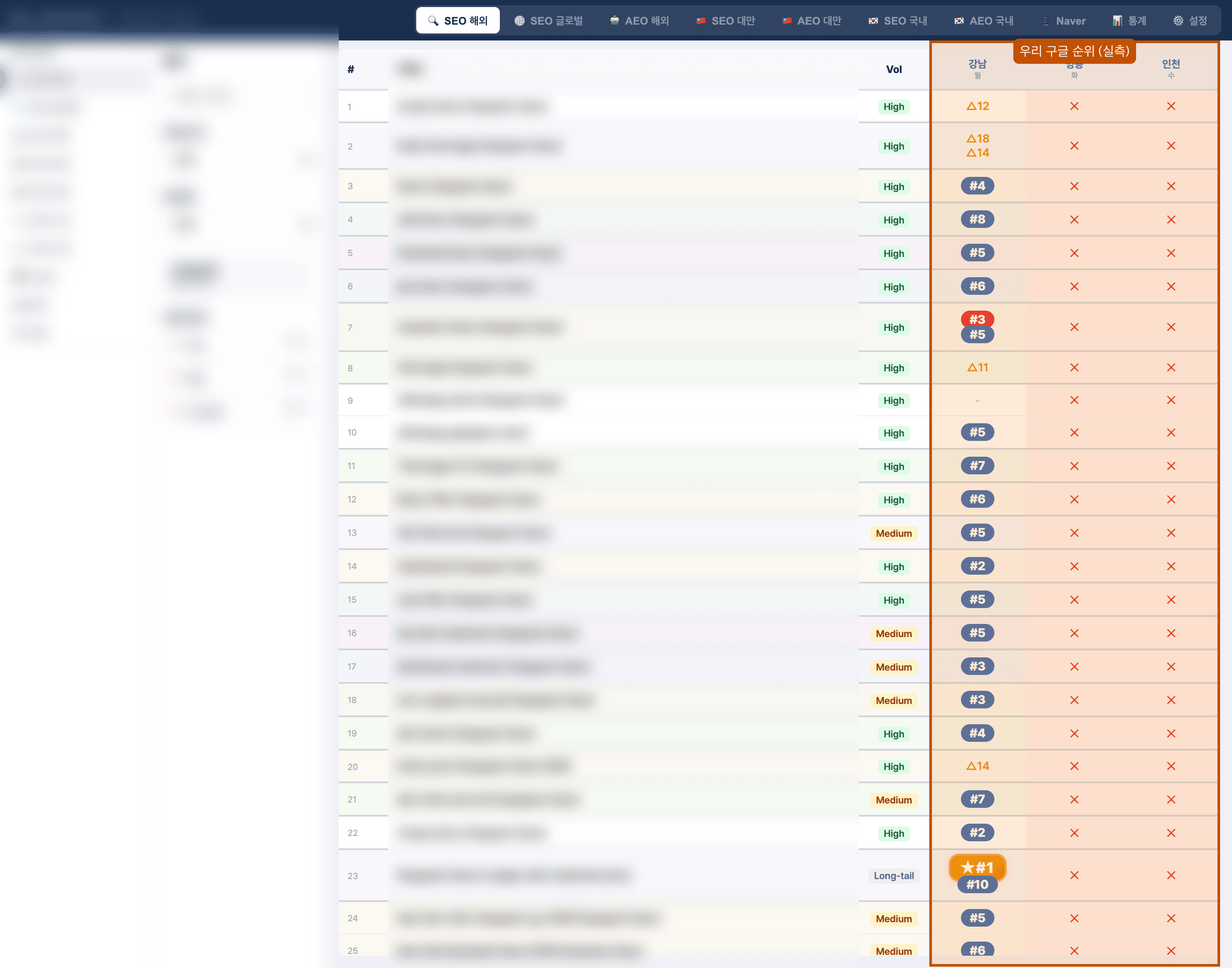
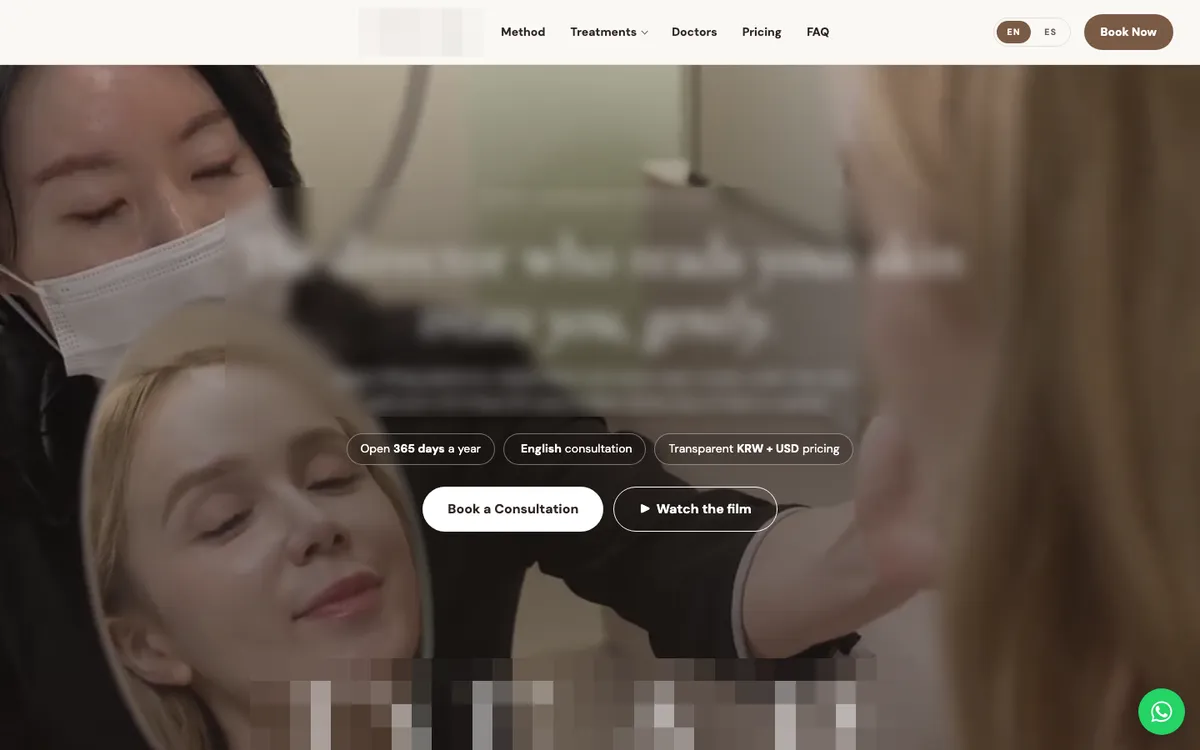
A sensible pattern is to lean on ads where assets are thin and move budget across as organic positions hold. The screen below is what “holding” looks like in practice: positions that stay in place day after day without a click being bought.
Where does PPC fit for a dental practice?
Briefly: paid search works, and it is expensive. Dental clicks average about $7.85 in Google Ads, among the highest of any industry, and ad spend is billed on top of the agency’s fee. If you run it, five habits separate a dental PPC agency that earns its fee from one that spends your budget: campaigns split by location and by treatment; exact and phrase match on treatment-plus-town terms rather than broad “dentist”; negative keywords for jobs, schools, and do-it-yourself searches; a dedicated landing page per treatment instead of the homepage; and reporting to booked and attended appointments, not to clicks. Wider advertising questions belong to healthcare advertising agency; this page does not go further into PPC.
How do you tell which dental marketing channel is working?
Start from the appointment book and work backward. The practice-management system knows which new patients started treatment and what they paid; the job of measurement is to attach a source to each of them honestly. In practice that takes three inputs reconciled once a month: the intake question (“how did you find us?”), tagged links and tracked calls by channel, and the production recorded for each new patient.
The trap is double-counting. If an ads agency, a social agency, and an SEO provider each report the same patient as theirs, the total “new patients” across their reports will exceed the number in your system. Set one attribution rule, write it into each agreement, and read the results from your own records rather than from any agency’s dashboard. That is how our own fee is settled.
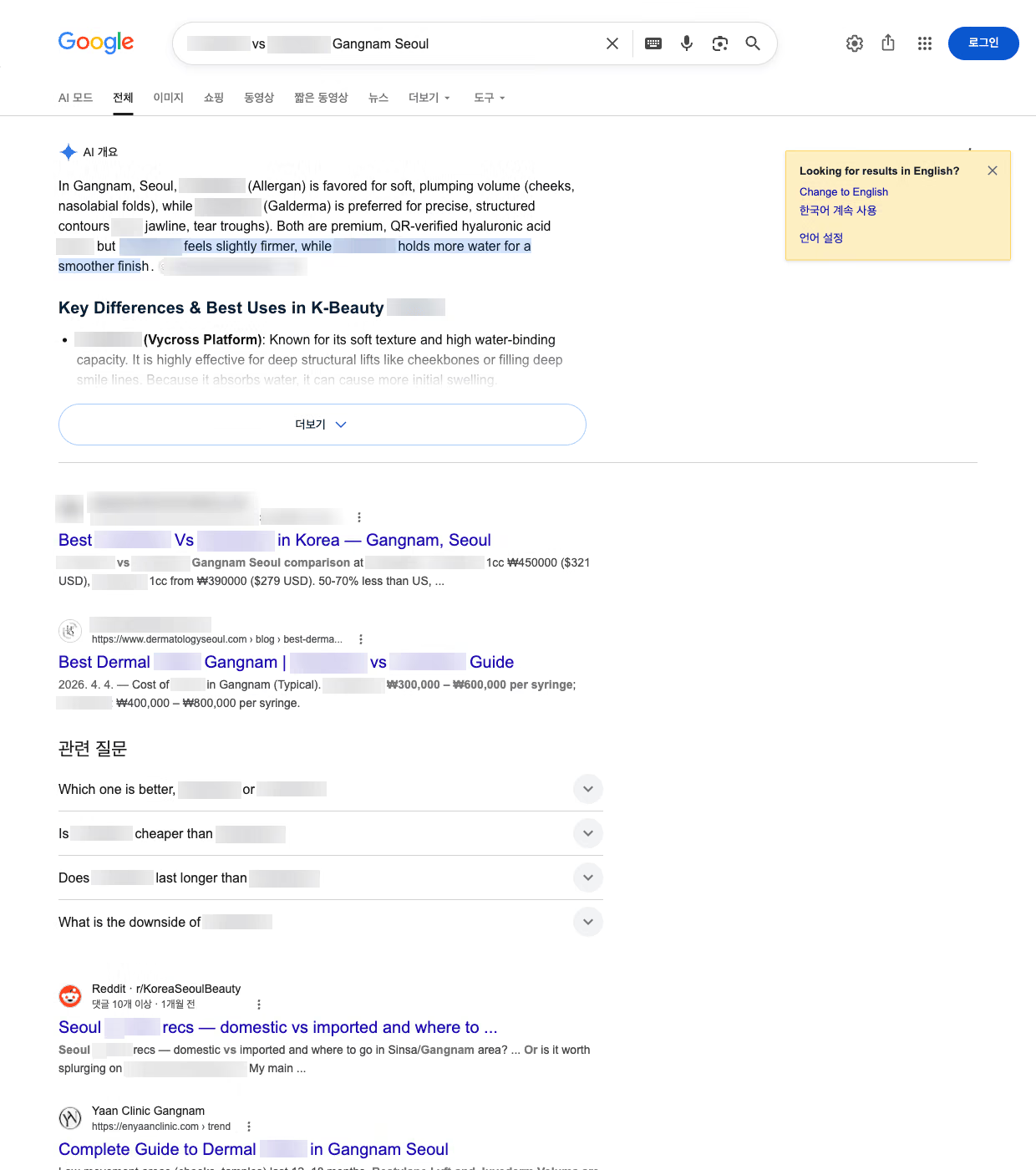
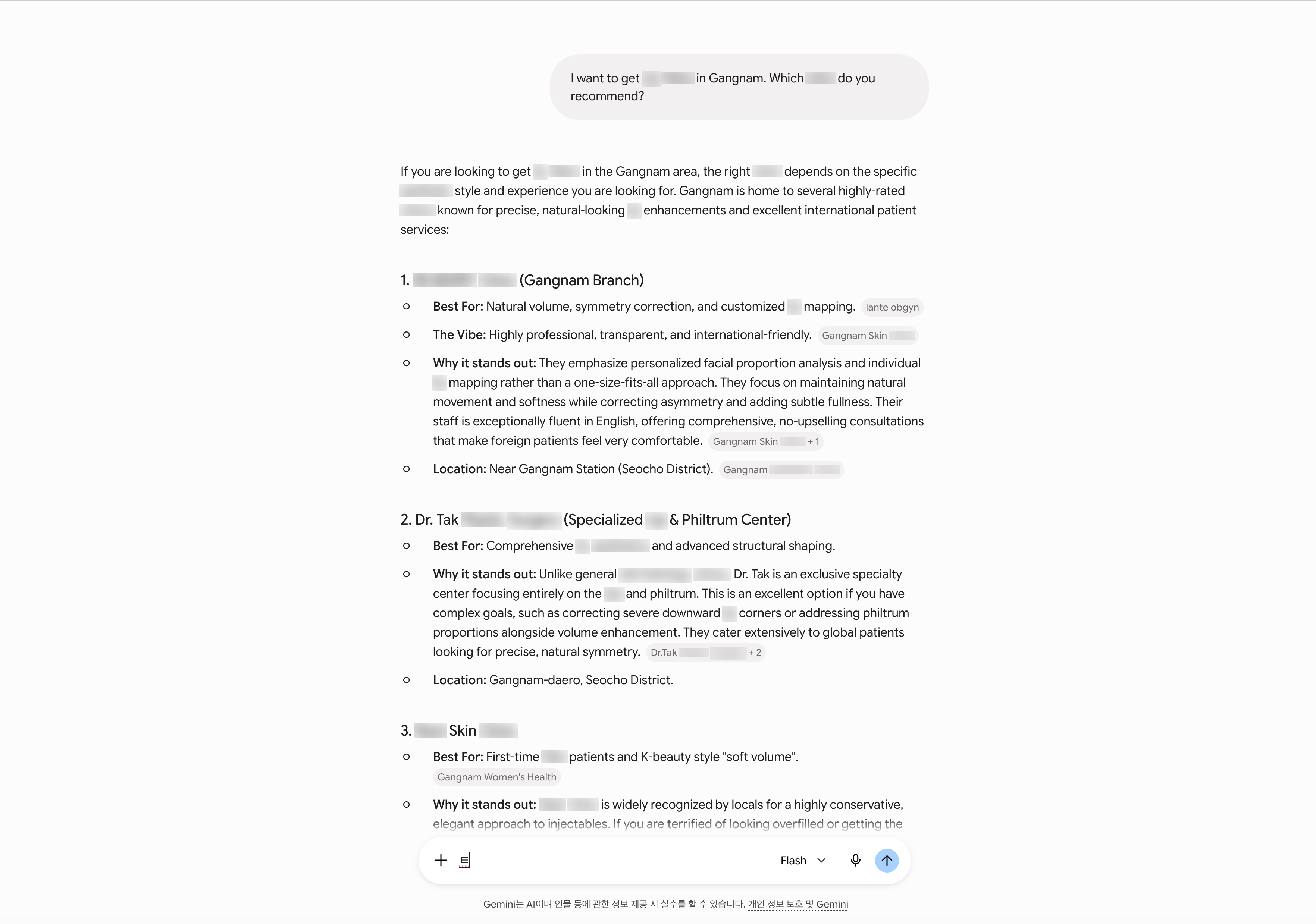
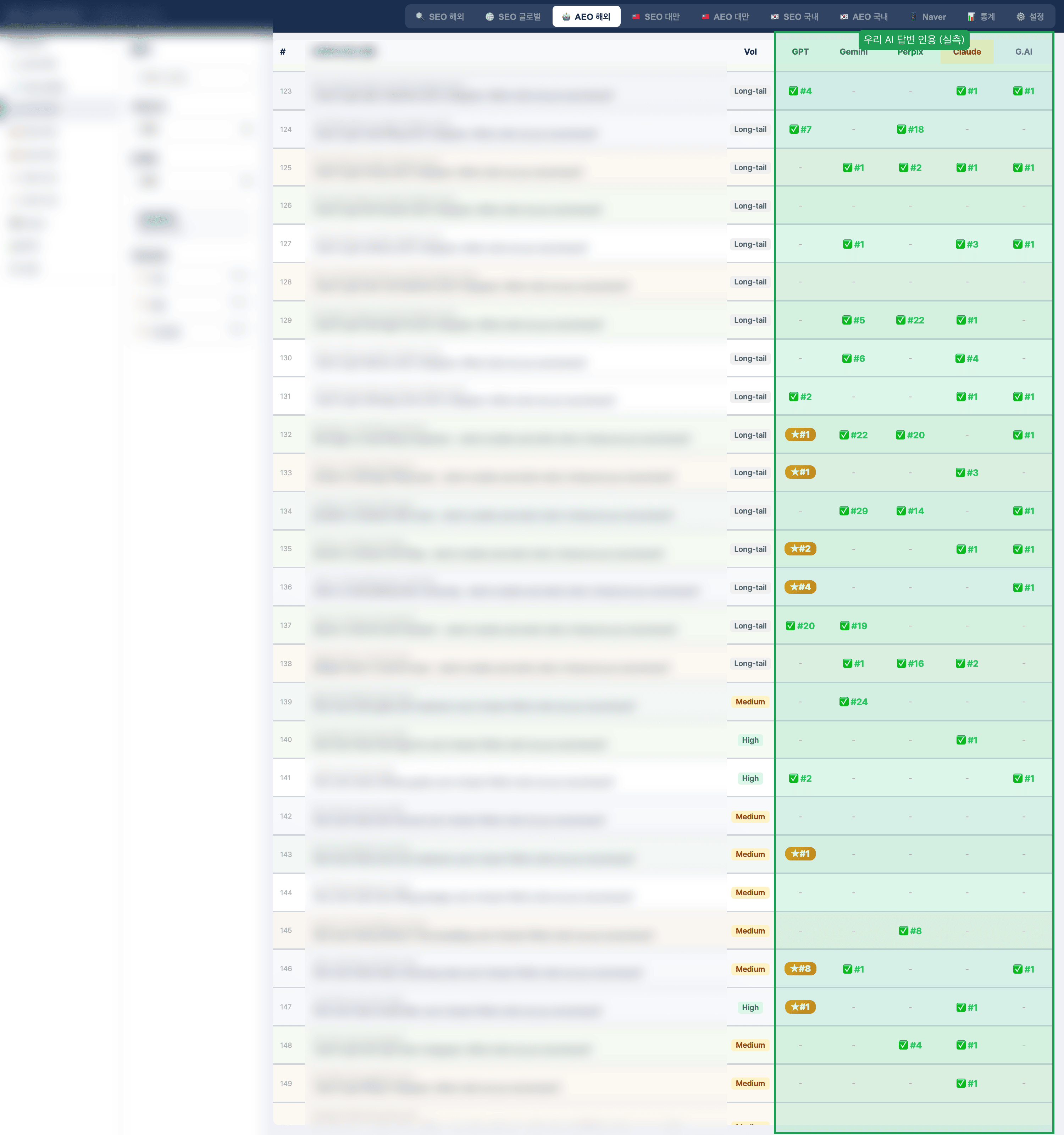
AI answers need their own measurement, because they never appear as a click in analytics. We log them question by question, every day, across several engines.

What does a dental marketing agency cost — and what does 30% change?
Full-service dental digital marketing — SEO, paid search, and social together — commonly runs $3,000–8,000 a month for a single location and $10,000–25,000 for multi-location groups, with ad spend billed separately on top. That is the fixed cost of the bundle, owed whatever the month brings.
Our work sits on the asset side: treatment pages, local and AI-search visibility, and a multilingual response line. $0 upfront, and a fee of 30% of collected revenue from the patient lines you assign — CRM-verified, with no per-patient counting. No ad budget is required for the lines we run, and ads you already run — yourself or with another agency — can continue alongside. Which lines are assigned, and what the base excludes, is designed around your practice during the free audit; recall and existing patients are typically left out.
Typical full-service dental marketing firm
- Monthly retainer per location, plus ad spend
- Results reported from the agency’s own dashboard
- Often an annual term
- AI-answer measurement rare, or sold as an add-on
HEIM GLOBAL
- $0 upfront — 30% of collected revenue from assigned lines
- Settled from your own CRM or practice-management export
- Non-exclusive
- Daily logging across four AI engines included
The 30% is a flat marketing-services rate on a revenue pool, not a payment for patients; HEIM GLOBAL never counts, steers, or brokers individuals. Every agreement carries the same three terms: $0 upfront · non-exclusive · monthly CRM settlement. How the performance model is structured in detail is covered in performance-based healthcare marketing.
The base comes first: local patients searching near your practice. On top of it, the same assets can reach Spanish- and Chinese-speaking communities nearby and patients weighing treatment abroad — see competing with dental tourism.
What proof should a dental marketing agency be able to show?
Ask for proof tied to revenue rather than activity, and for data you can inspect: CRM exports, Search Console, live dashboards. Our own comes from Seoul, a clinic market of about two million international patients a year, where two dermatology clinics grew foreign-patient revenue in the language lines we ran by +200% and +186%.1 Different specialty, same asset-building method.
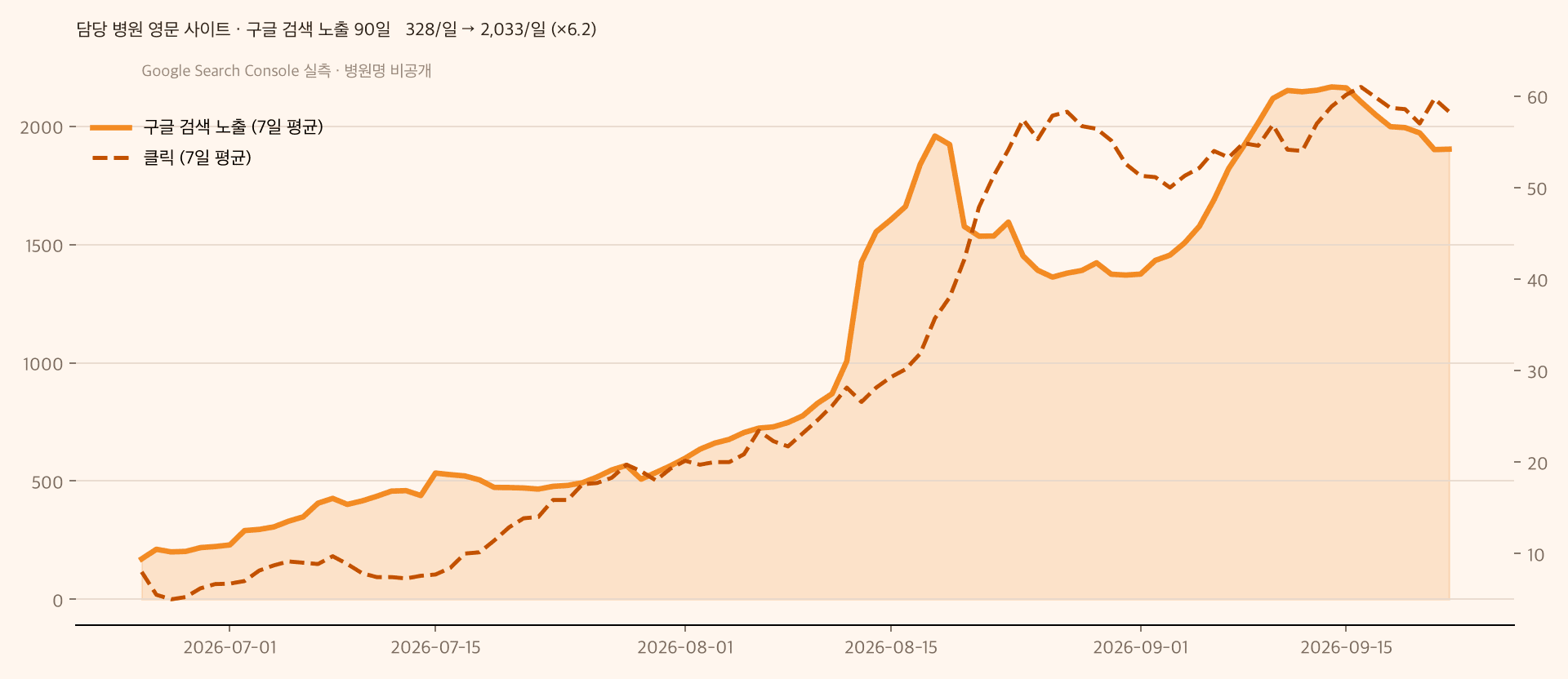
1 Measured in the clinics’ own CRM: foreign-patient revenue in the language lines assigned to us, two Seoul dermatology clinics, compared with the period before. Individual results vary; specialty, location, and competition all change them. Under NDA we name no clinic, but we will open the dashboards on a call.
'/%3E%3C/svg%3E)
Do social media, email, and recall bring in new dental patients?
Mostly they work on people who already know you — which is valuable, but different. Each has a clear job, and a clear limit.
Social media
Email and SMS
Recall and reactivation
An agency that bundles recall bookings into a “new patients” figure is reporting your existing patient base back to you. Ask for the two numbers separately.