
What is medical SEO, and how is it different from ordinary SEO?
Medical SEO is the practice of getting a medical practice's pages shown, and chosen, when people search for the conditions it treats and the services it provides. The mechanics are the ones any site uses — relevant pages, sound technical foundations, links, and a credible presence elsewhere on the web. What changes is the margin for error.
Three constraints shape medical SEO marketing and nothing else quite like it. Accuracy: a wrong recovery time or an overstated result can hurt a patient, and search systems are designed to be more cautious with health topics. Accountability: readers, and the systems ranking pages for them, look for who wrote and who checked the information. Regulation: what a practice may claim is set by the FTC in the US, by the GMC and ASA/CAP in the UK, and by AHPRA in Australia. Every step below is ordinary SEO adjusted for those three.
A scope note: this page is the method. If you are comparing firms to run it, the selection questions and contract terms are in healthcare SEO agency.
How should a medical practice map search intent before writing anything?
By sorting queries into the job the searcher is trying to do. A keyword list tells you what people type; an intent map tells you which page each query deserves. For most specialties six intent types cover nearly everything:
| Intent | Example query | Page that answers it | What the page must contain |
|---|---|---|---|
| Condition or concern | “thinning hair in women causes” | Condition page | What it is, likely causes, when to see someone, the treatment options |
| Treatment | “PRP for hair loss” | Treatment page | How it works, sessions, recovery, risks, who it does not suit |
| Cost | “PRP hair treatment cost” | Section or page on price | A dated price range and what changes it |
| Comparison | “PRP vs minoxidil” | Comparison page | A fair side-by-side, including when the other option is better |
| Suitability or risk | “who shouldn't have PRP” | Section of the treatment page | Plain contraindications, reviewed by a clinician |
| Local provider | “hair loss clinic near me” | Location page + Business Profile | Address, hours, clinicians, services offered at that location |
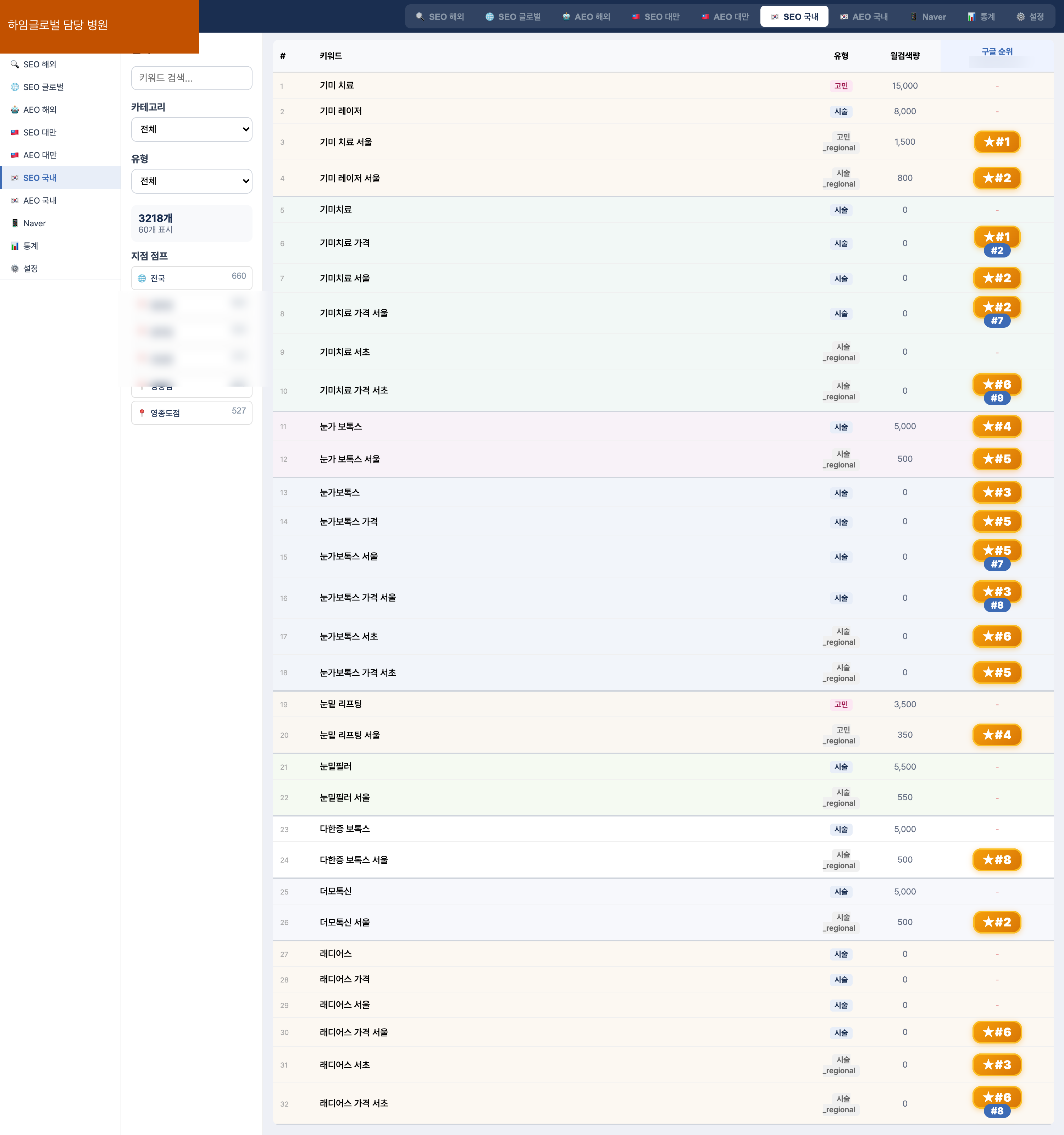
The examples are illustrations, not medical advice; the method is the point. Each query gets one home, so two pages never compete for the same search. Tracking follows the same map, which is how the screen below is organised: every keyword is tagged as a concern or a treatment, and as a plain or a regional variant, with its monthly volume next to it.
What should the page structure of a medical website look like?
A medical website that ranks well is usually a set of service-line hubs, each with the treatment and condition pages for that service beneath it, and location and cost information attached where patients look for it. The homepage introduces the practice; it is rarely the page that wins a specific search.
Why one page per primary intent?
When two pages chase the same query, search engines pick one, often the weaker, and the other wastes crawl attention and links. Give each treatment, each concern, and each meaningful comparison a single home. Secondary questions belong as sections on that page rather than as separate thin posts. This is also what keeps the content checkable: a clinician can review one solid page far more reliably than six overlapping ones.
When does a condition deserve its own page?
When patients search for it separately and the practice treats it with more than one option. A condition page that explains the problem and then links to each relevant treatment page serves the reader who does not yet know what to ask for — and it is often the first page an AI engine retrieves for a symptom-style question.
What about practices with several locations?
Each location needs its own page with real local detail — clinicians who practise there, services offered at that site, address, hours, directions — and its own Business Profile pointing to it. What does not work is cloning one page with a new suburb name; search engines treat near-identical location pages as doorways. If URLs are already indexed and performing, leave them in place and build around them rather than restructuring.
How do you keep medical content accurate — and show that it is?
By drawing every factual claim from a source that outranks the clinic's own marketing, and by putting the evidence of review on the page. A workable sourcing order:
- Regulators and national bodies — FDA material in the US, NICE guidance in the UK, TGA information in Australia — for what a product or procedure is approved or recommended for.
- Specialty society guidelines for standard practice in your field.
- Peer-reviewed studies, cited with year, for outcomes, durations, and risks — ranges rather than single best-case figures.
- Your own clinical protocol for what happens at your practice: number of sessions, consultation steps, aftercare.
What should not be a source: manufacturer brochures quoted as fact, competitor pages, and unsourced figures circulating between blogs. Then make the checking visible. Each clinical page should carry a named author, a named medical reviewer with qualifications, and a review date that changes only when the content is actually re-reviewed. Set triggers for re-review — new guidance, a price change, a device change, a new technique — and a fixed cycle for everything else.
Advertising rules sit on top of accuracy. In the US, outcome claims must reflect what patients can typically expect under the FTC's Endorsement Guides. In the UK, ASA/CAP rules exclude promised outcomes and pressure tactics in cosmetic advertising, and doctors stay responsible for advertising made on their behalf. In Australia, pages must be AHPRA-compliant: testimonials about clinical aspects are not permitted, and cosmetic procedure guidelines have applied since 2 September 2025.
Which schema markup does a medical practice actually need?
Structured data tells search systems what each page and entity is, in a form they do not have to infer. For a medical practice the useful set is small:
| What you are describing | Schema type | Properties that do the work |
|---|---|---|
| The practice | MedicalClinic (or a related MedicalOrganization type) | Name, address, telephone, opening hours, medicalSpecialty, links to official profiles |
| Each clinician | Person | jobTitle, qualifications, worksFor, sameAs pointing to a public register entry |
| A reviewed clinical page | MedicalWebPage | reviewedBy, lastReviewed, about (the condition or procedure) |
| Site navigation | BreadcrumbList | The hub-to-page path, matching the visible breadcrumb |
| Visible question blocks | FAQPage | Questions and answers identical to what the page shows |
Two cautions. Google limited FAQ rich results in 2023 to a small set of authoritative government and health sites, so FAQPage markup on a clinic site is mainly about machine readability rather than extra space in results. And do not mark up ratings about yourself: Google does not show review stars for local businesses or organizations that host their own reviews, and self-rating markup invites trouble with no upside. Markup describes what is visibly on the page; it never adds claims the page does not make.
How should internal links work on a medical site?
Internal links tell search engines which pages matter and how they relate, and they guide a reader from a symptom to a decision. A few rules carry most of the value:
- Hub to spoke and back. Every treatment and condition page is linked from its service-line hub, and links back to it.
- Condition to treatment. Each condition page links to every treatment the practice offers for it, and each treatment page to the conditions it addresses.
- Descriptive anchors. “Laser treatment for melasma” tells both reader and crawler more than “learn more.”
- No orphans. A page with no internal links pointing to it is close to invisible, however good it is.
- Articles feed service pages. Educational posts should link to the treatment page a reader would book, not only to other posts.
Breadcrumbs that mirror the hub structure, marked up as BreadcrumbList, reinforce the same map for every page.
How do you measure medical SEO beyond rankings?
As a chain, where each link explains the next. Search Console, grouped by service line, shows whether pages are indexed and earning impressions. Tracked positions show where those pages stand for the queries in the intent map. AI-search citations show whether ChatGPT, Gemini, Perplexity, Claude, and Google's AI Overviews name the practice. Enquiries show whether visibility turns into contact. Revenue in the CRM is the last link and the only one that pays for anything.
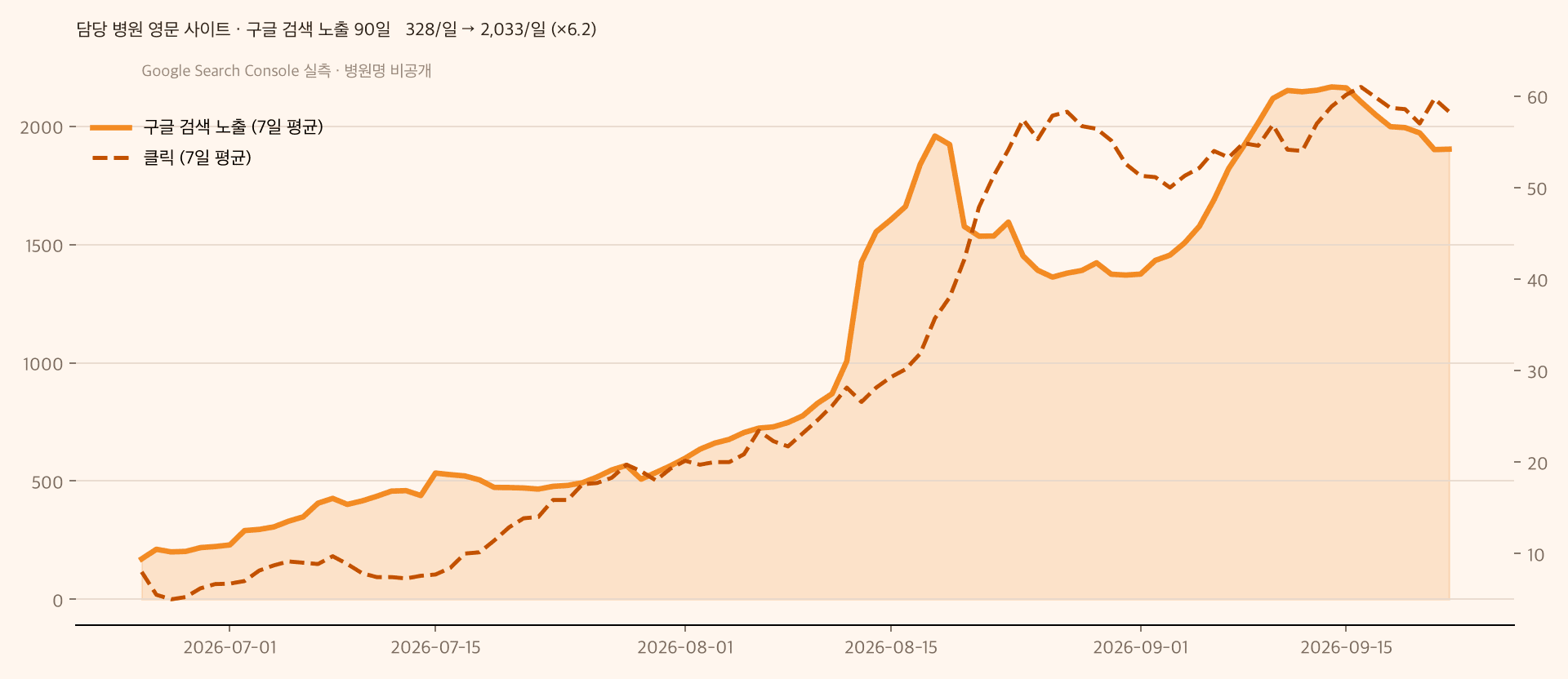
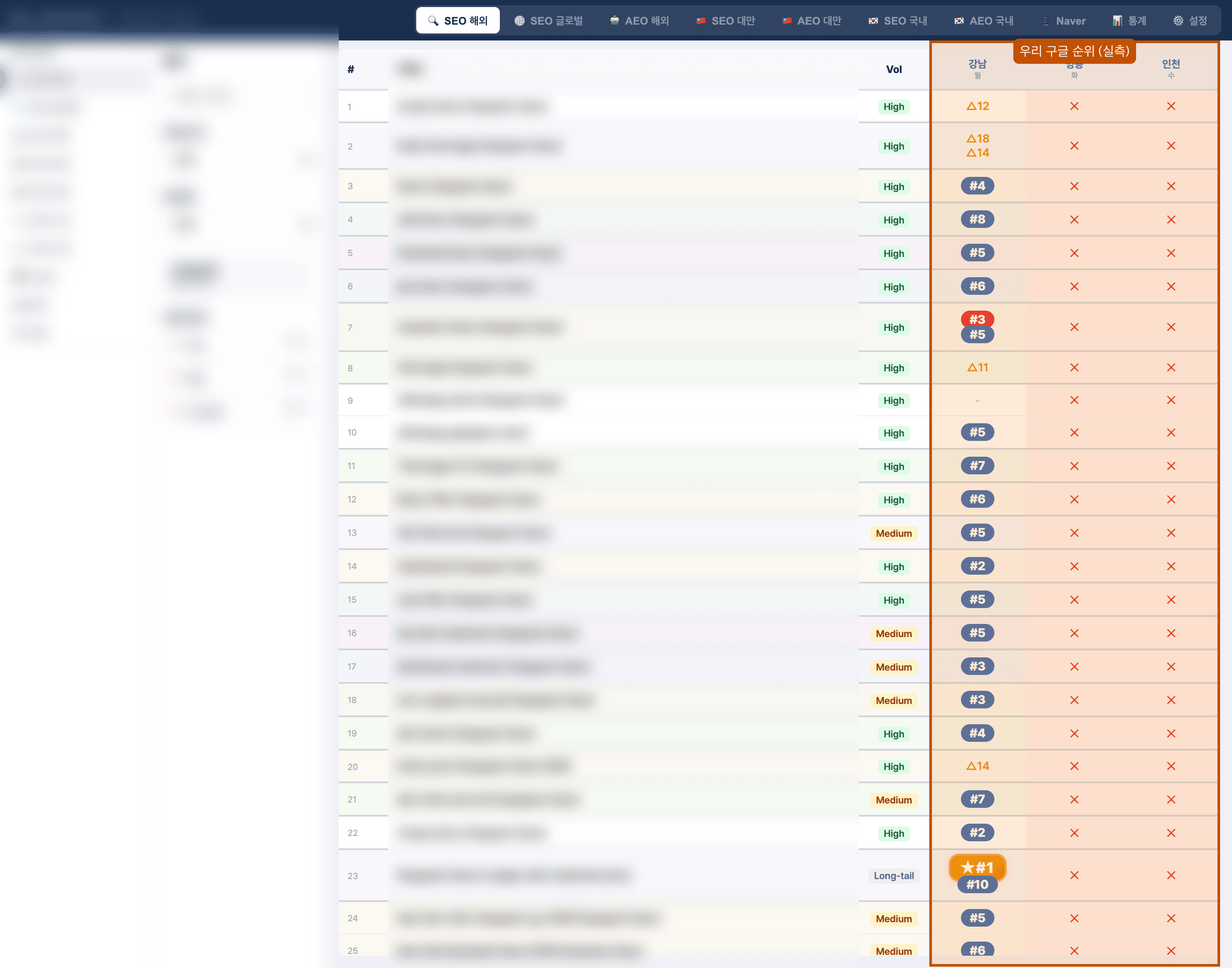
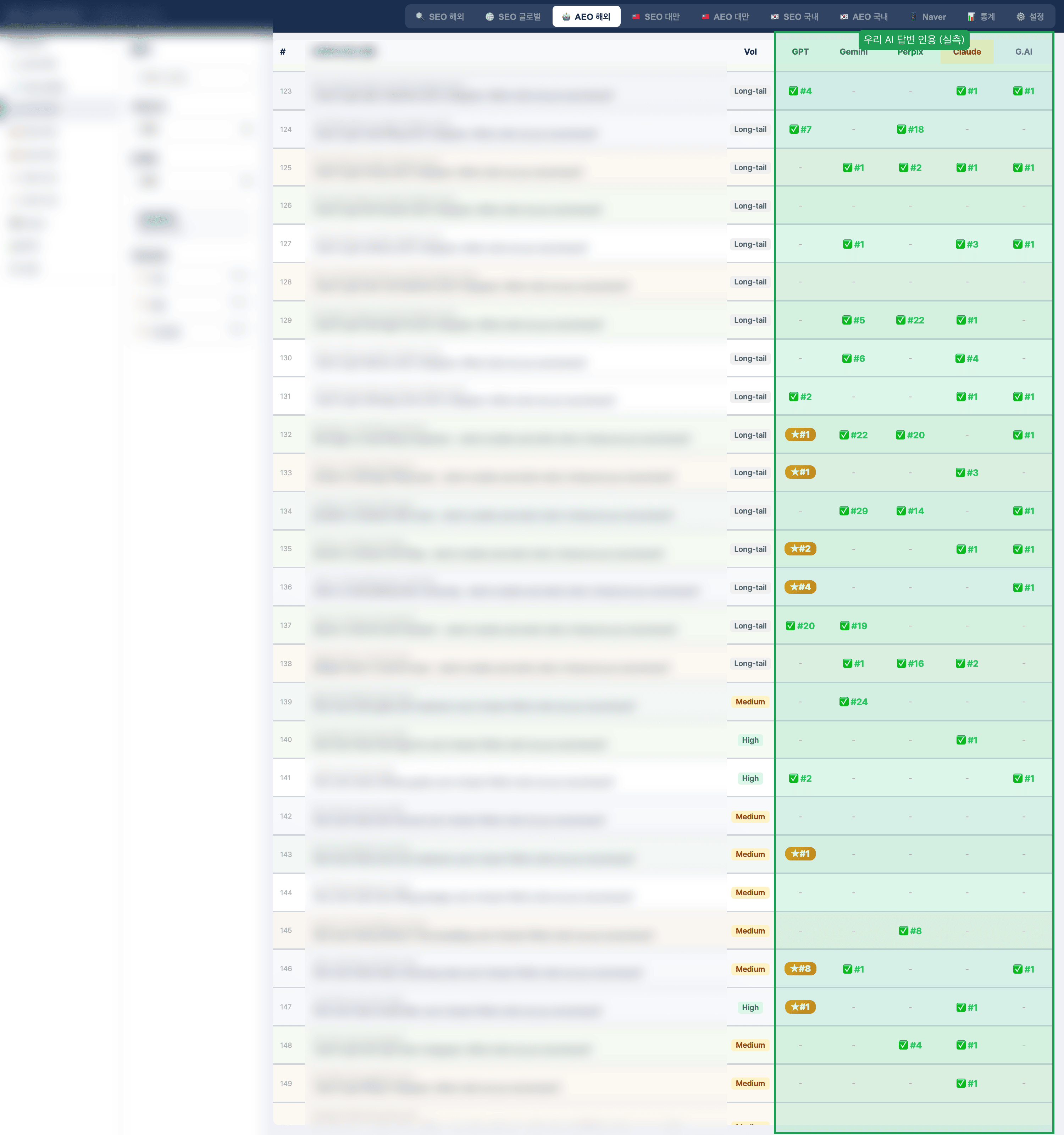
A monthly view that skips a link hides the cause of a problem. Impressions rising with flat clicks points at titles and snippets; positions holding while AI citations fall points at answer structure and corroboration; enquiries rising with flat revenue points at the front desk, not at search. How AI engines pick sources is a subject of its own, covered in AI search optimization for clinics.
Where do local and multilingual pages fit in medical SEO?
Local patients come first. The person searching for a dermatologist or a fertility consultation is usually nearby, and the location pages and Business Profiles above serve that domestic base. The same architecture then extends by language: native pages for the 68 million Latinos in the US, for the Chinese-speaking communities of Sydney and Melbourne, or for overseas patients researching London, enter searches and AI answers in languages an English-only site never reaches. International demand is the upside on top of the same structure; medical tourism SEO covers that side.
Does this method hold up in a competitive market?
We run it daily in Seoul, where clinics market in five languages to two million international patients a year. Two dermatology clinics there grew foreign-patient revenue in the language lines we managed by +200% and +186%.1 Different specialty and market from most readers of this page — the transferable part is the method above.
1 Measured in each clinic's CRM: foreign-patient revenue within the language lines assigned to HEIM GLOBAL, set against the clinic's prior baseline. Individual results vary with specialty, location, and competition. Clinic names stay confidential under NDA; live dashboards are walked through on the call.
Should you run medical SEO in-house or have it operated?
Start in-house with the first three steps: an intent map for your main service line, a handful of solid treatment pages with sources and a reviewer, and Search Console grouped by page type. Where in-house teams stall is scale and upkeep — hundreds of pages, a re-review cycle, several languages, and daily tracking across Google and AI engines.
The operated version prices one way: $0 upfront — 30% of collected revenue from the patient lines you assign to us, CRM-verified, no per-patient counting. It is a flat marketing-services rate on a revenue pool, not a payment per patient, and the base is designed around your practice during the free audit. Typical healthcare marketing retainers run $3,000–8,000 a month for one location whatever happens; here, a month with no revenue in your CRM costs nothing. Three terms always come with it: $0 upfront · non-exclusive · monthly CRM settlement. The free AI-visibility audit is the place to start either way — it shows where your practice stands on Google and in AI answers today.
'/%3E%3C/svg%3E)